Want to position your brand? Here’s what you need to know
“Positioning” is one of those terms everyone has heard of, but that’s often hard to grasp and put into practice. So what exactly does it mean to position a brand? That’s what we’re here to explain in this article.
So… What is strategic positioning?
Every brand—whether they want to or not, whether intentionally or not, has a positioning. That’s because positioning is the term used to describe how people perceive a business.
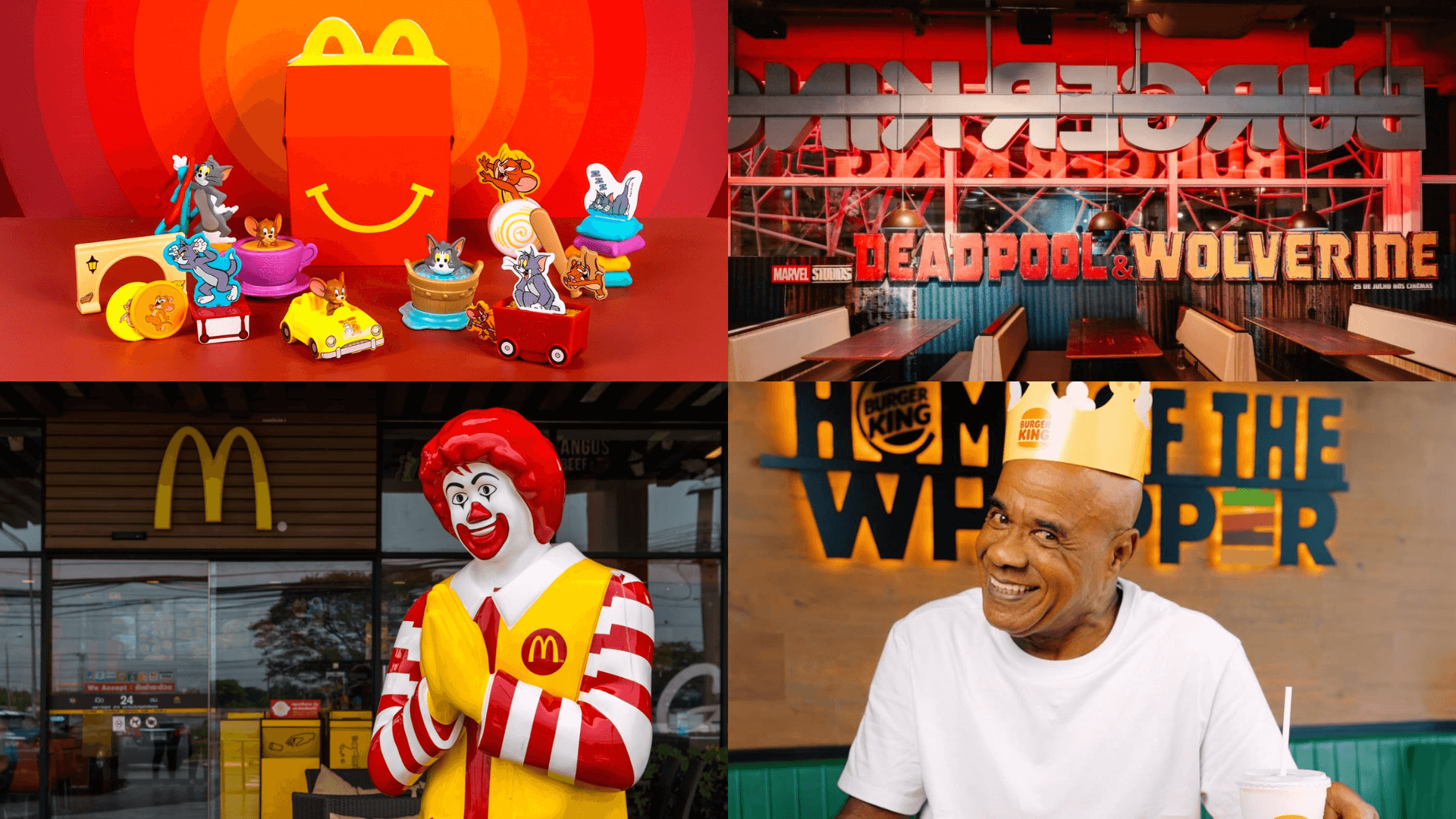
Take McDonald’s, for example: its positioning is based on offering a convenient, affordable, and family-friendly fast food experience. Burger King, on the other hand, positions itself as an inclusive, fun brand that aims to deliver the most enjoyable eating experience.
You can clearly see the difference, McDonald’s appeals more to families and children, while Burger King tends to target a younger, more online-savvy audience.
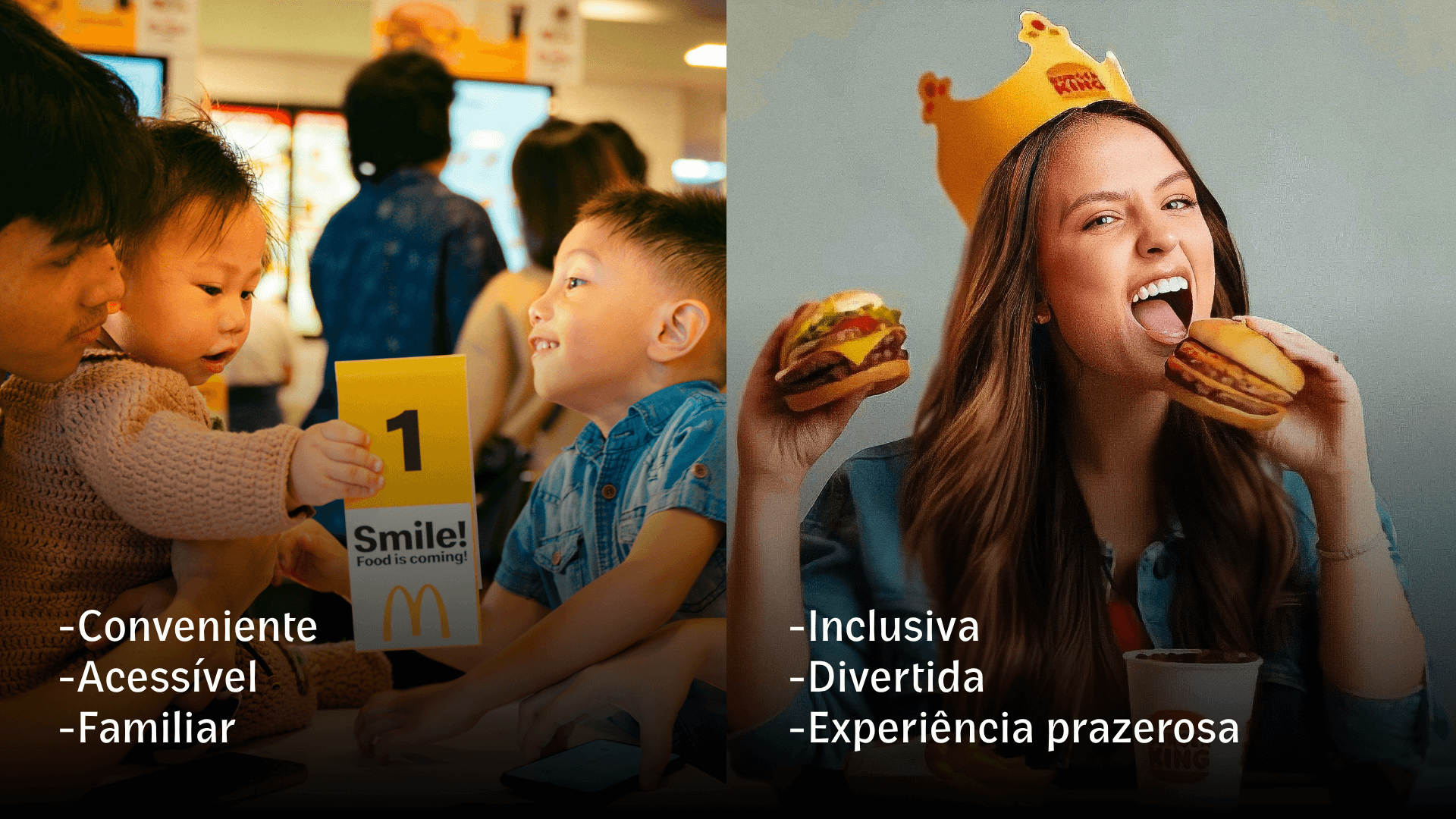
Positioning, then, is the place a company wants to occupy in the hearts and minds of its target audience. In other words, it’s essentially the combination of segmentation and differentiation.
How to define a strategic positioning?
Well, as we’ve already mentioned, every brand will have a positioning. Once a brand is out in the world, people will start forming impressions based on how the company presents itself: the logo, the color palette, the social media posts, the choice of photos and icons on the website, the tone of voice, even the layout of the sales deck.
Every touchpoint a customer has with the company is another piece in the puzzle that shapes the brand’s image in their mind, and ultimately, how they choose to interact with it.
Here’s the problem: first impressions matter. If that first impression isn’t good, the customer might not even bother moving forward. Worse yet, if the elements of the brand aren’t aligned with the message the company wants to convey, a lot of time (and money) is wasted trying to convince the customer otherwise.
Sounds confusing? Let’s look at an example.
Imagine a company trying to sell a high-ticket product, but its communication doesn’t reflect sophistication, quality, or exclusivity. The result? The sales team struggles through a slow and ineffective process, trying to change the perception the customer already formed at first glance, and that’s no easy task.
In this scenario, it’s common for the company to become overly reliant on referrals, struggle to close new sales, or feel like their marketing efforts just aren’t delivering results.
How to apply your Brand Positioning?
The service of strategic positioning is basically about intentionally (and that word is key) defining how your company wants to be perceived. And, also intentionally, reinforcing elements that make it easier for people to see you the way you want.
It involves (but is not limited to) the brand’s visual communication. The McDonald’s and Burger King example is perfect to understand how positioning goes beyond just one element, it influences other strategic aspects that tell the brand’s story and make certain audience profiles identify more with one company than the other.
Here’s how this translates into practice:
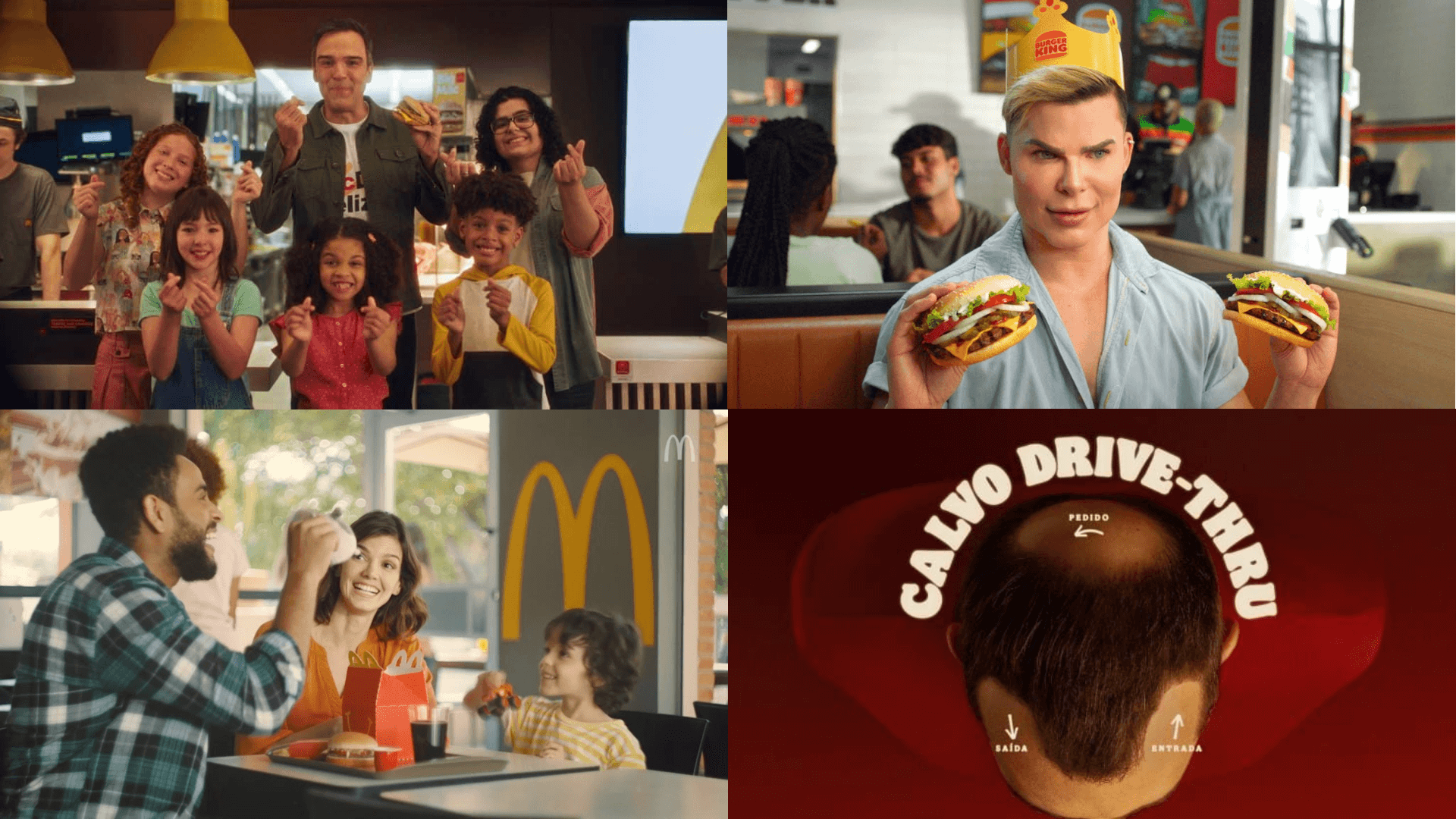
- Tone of voice
McDonald’s: gentle, educational, affectionate, focused on parents and children.
Burger King: sarcastic, provocative, direct, aimed at young adults with attitude.
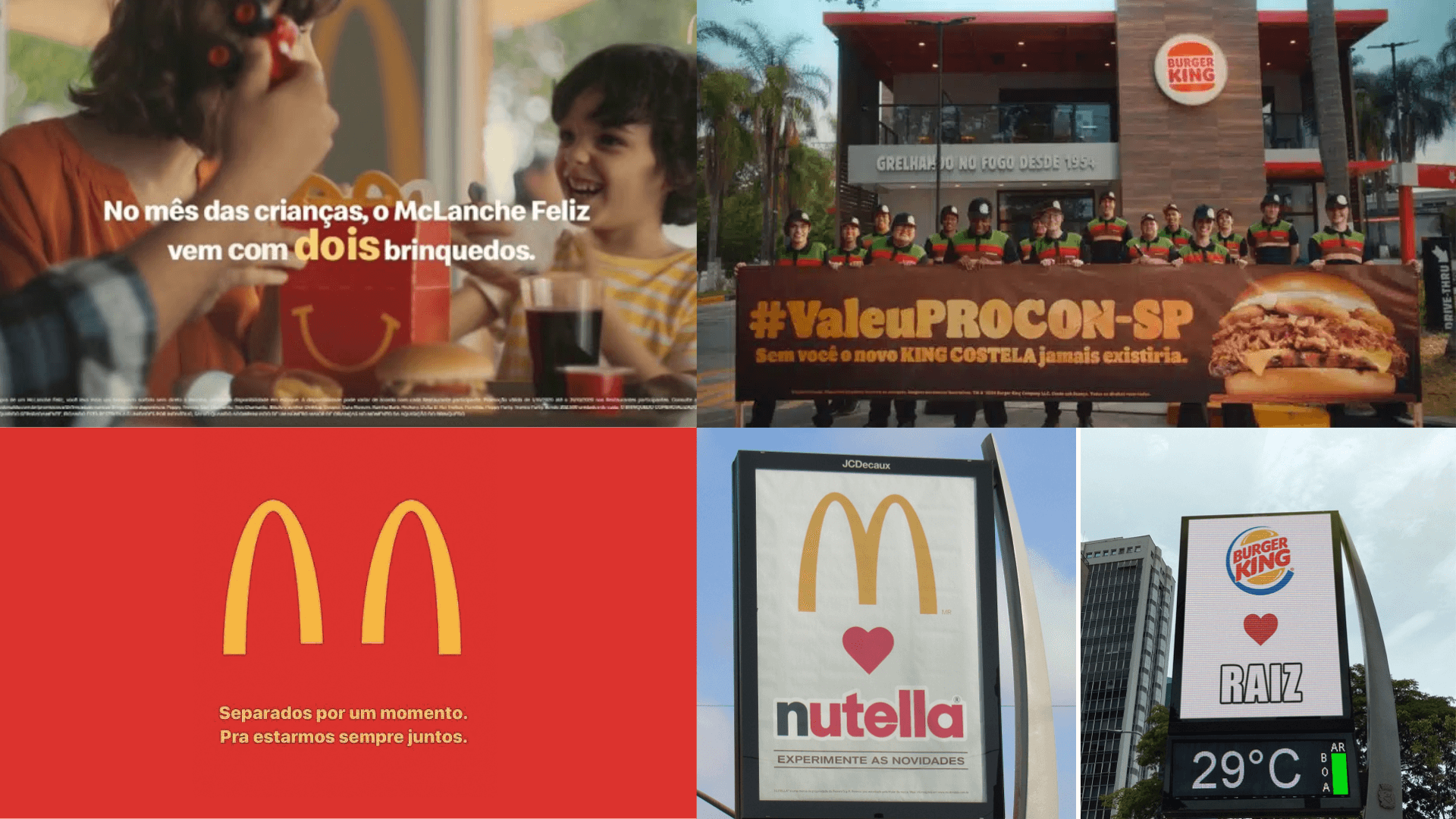
Advertising campaigns
McDonald’s: focused on family, happiness, nostalgic memories, and routine.
Burger King: focused on boldness, humor, freedom of choice, and diversity and inclusion.
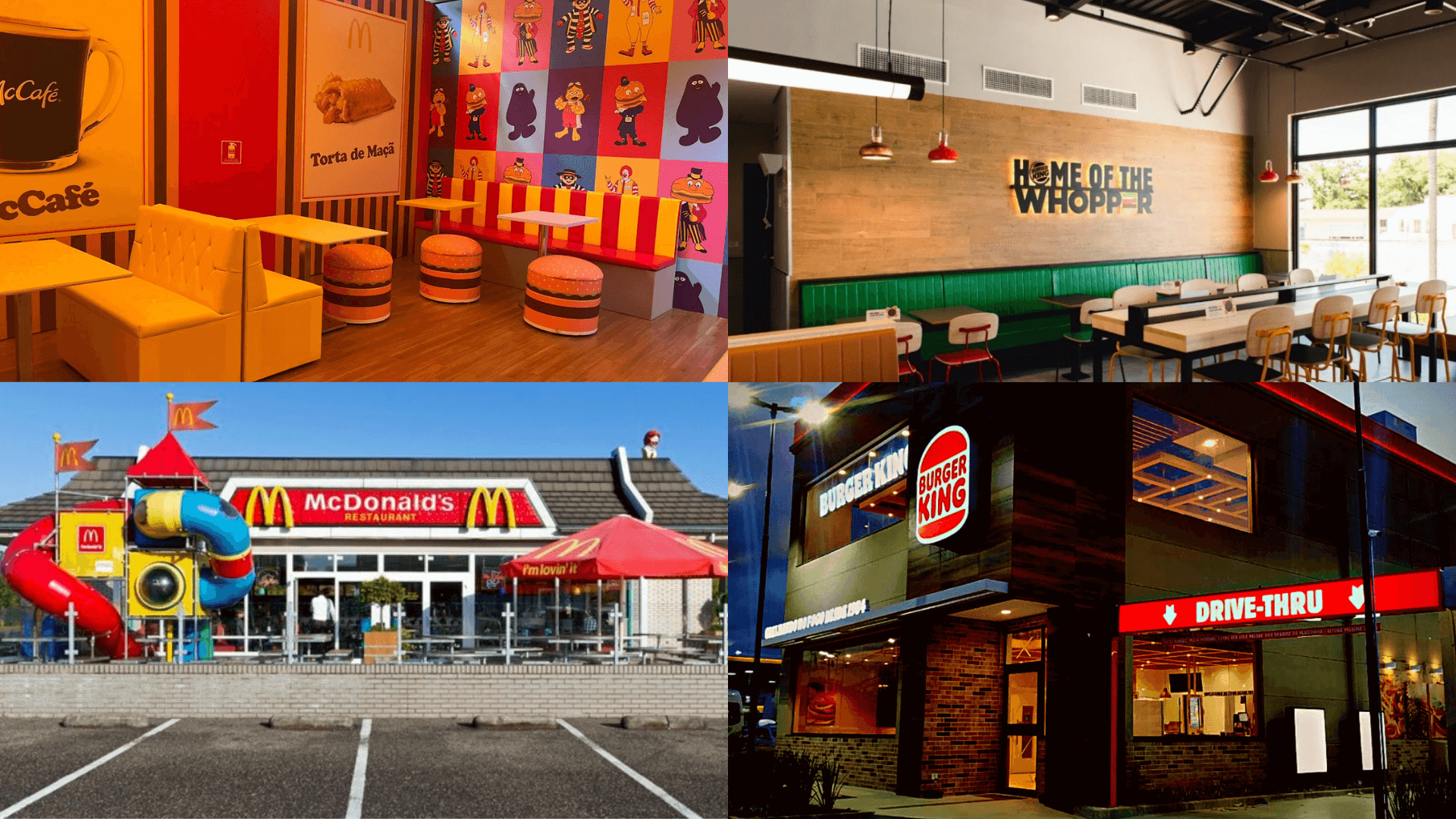
Ambience
McDonald’s: originally spaces with play areas, family tables, bright decor, and a slightly more sophisticated atmosphere.
Burger King: darker, urban look, focused on young people and individuals or small groups.
Product Naming and Presentation
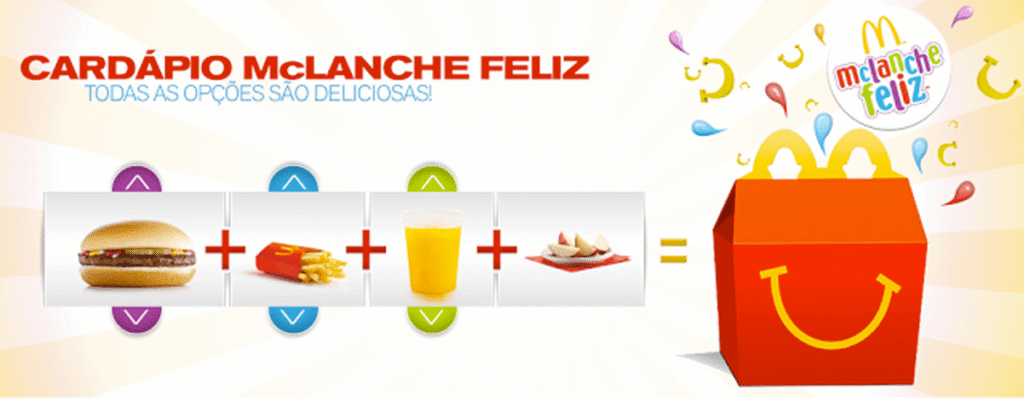
McDonald’s: standardized, universal names (McChicken, Happy Meal), focusing on simplicity.
Burger King: unique and exaggerated names (Whopper, Stacker, Rodeo), focusing on personalization and boldness.
- Promotional Actions and Launches
McDonald’s: campaigns with children’s characters, licensed toys, collections, and nostalgia.
Burger King: collaborations with controversial brands, Halloween campaigns, unusual experiences, and promotions.
The biggest mistake when defining positioning (or launching a brand):
Without a doubt, the biggest mistake we often see is trying to convey the entire positioning through the logo alone. That’s an impossible task. A strong positioning effort must go beyond the brand’s visual universe and include the copy, slogan, tone of voice, personality… It’s the combination of all these elements that will tell your story.
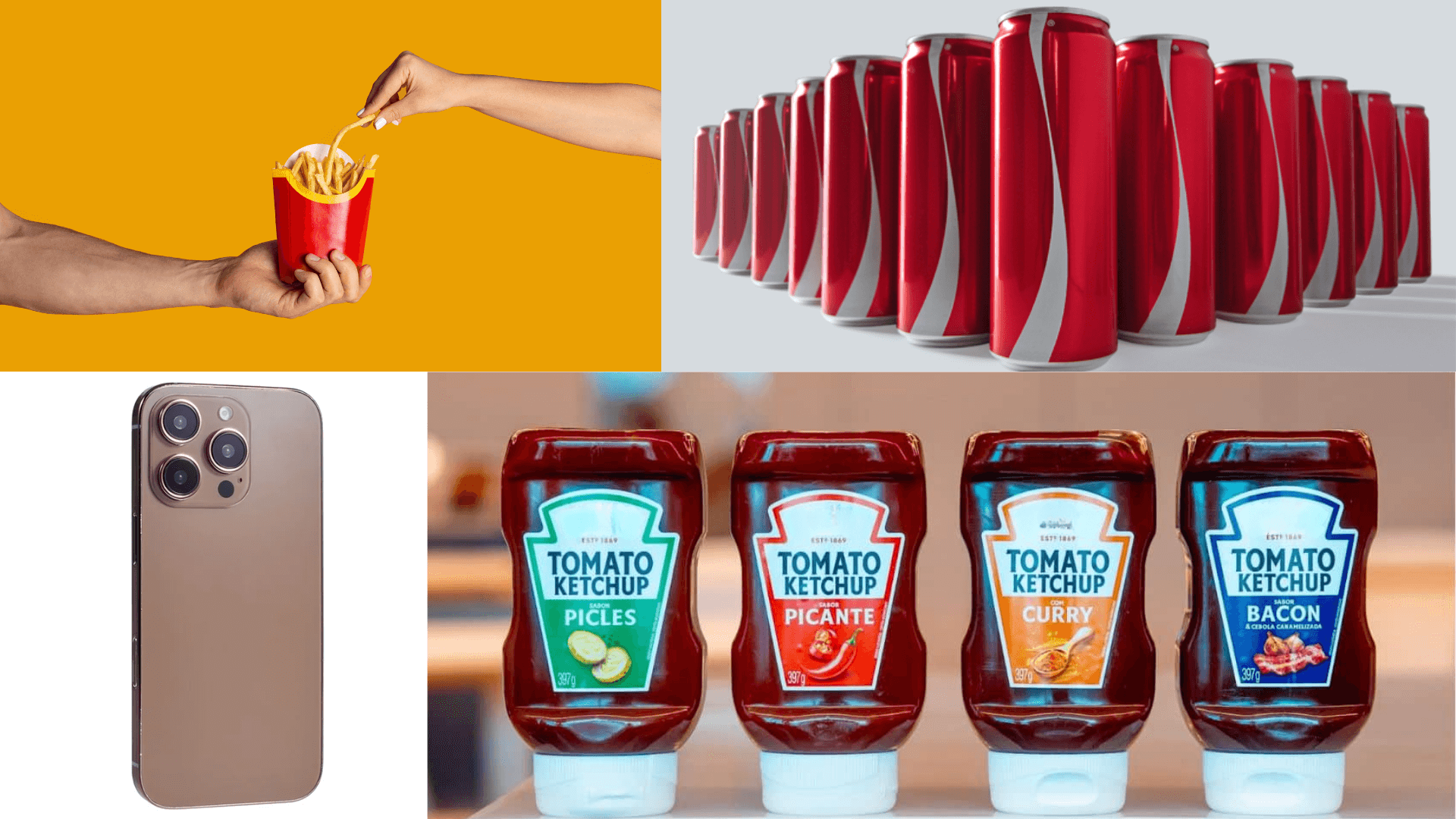
A company that relies on its logo alone to carry the full weight of brand positioning is like an author expecting the book cover to tell the entire story. Impossible.
That’s why it’s so important to think about consistency and daily application of your positioning. Branding results come as it consistently appears across every touchpoint with the customer.
Just like McDonald’s: positioning is the foundation for everything, from the layout of the space to the names of the menu items.
How positioning creates brand value and makes marketing easier
The market often uses the term branding to refer only to the creation of a business’s visual identity, which is a misleading generalization.
The real value of strategic positioning lies in diving into data to make smart decisions and, based on research, ensuring your solution meets a genuine market need.
It’s about discovering exactly which audience niche is currently underserved by a solution that truly connects with their specific pain points.
And that’s exactly what we do here at Motora.
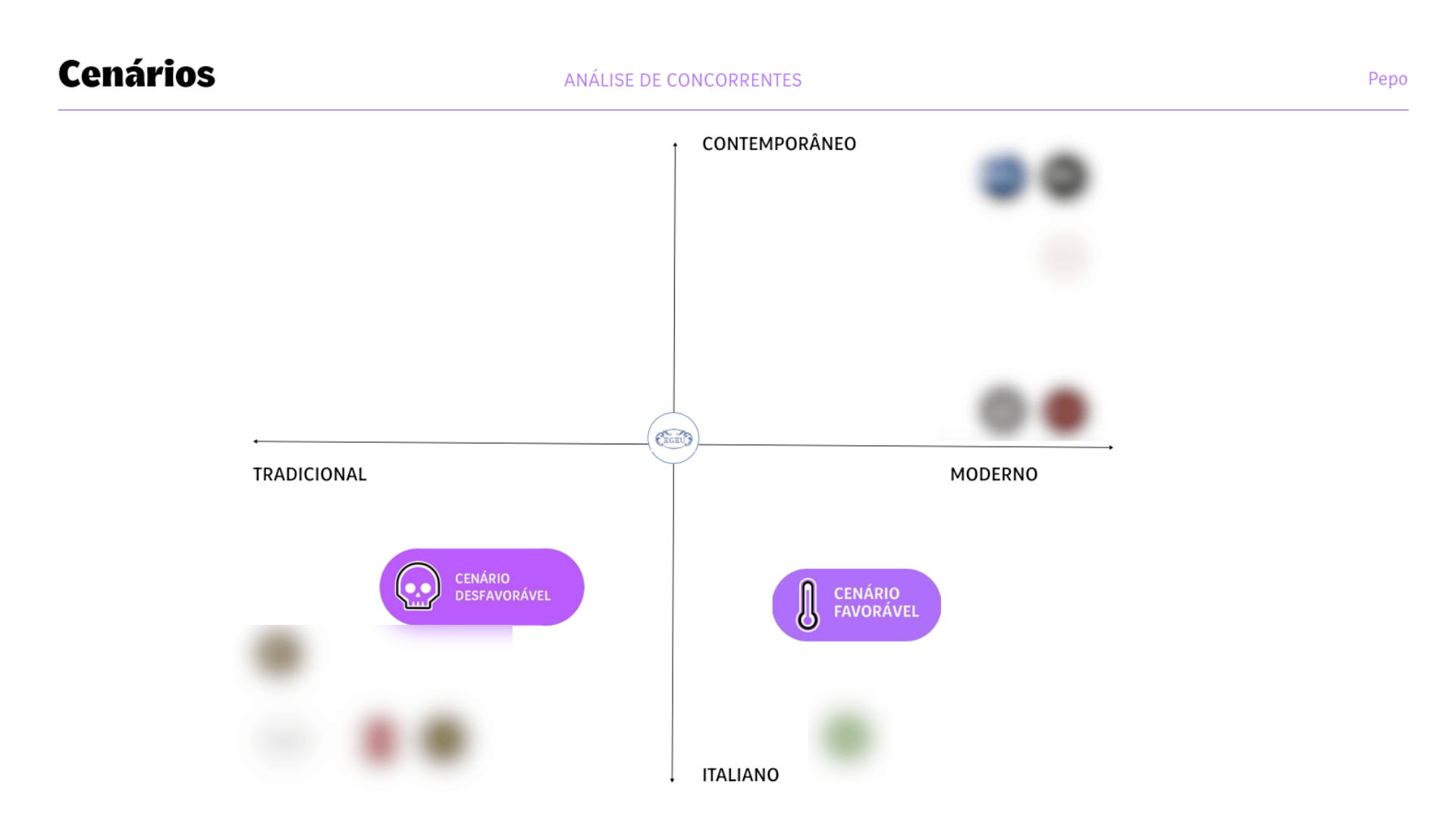
Simply listing the attributes you want your brand to convey is nice, but positioning goes much further! A good branding project should guide you to discover a message your competitors haven’t explored yet and make it your own, taking the lead in the market.
Do you feel your brand is doing that for you? If the answer is no, get in touch with us and let’s talk!