Gothic is back!
Have you noticed how things have gotten a bit darker lately? More dramatic? Over the top? A little eerie and even depressive? Then you’ve probably realized it: Gothic is back!
But why exactly is Gothic making a comeback right now? Historically, the resurgence of Gothic has been tied to times of economic crisis. Common themes in Gothic literature include isolation, oppression, and a deep sense of not belonging… Sound familiar, given what we’ve been through over the past five years?
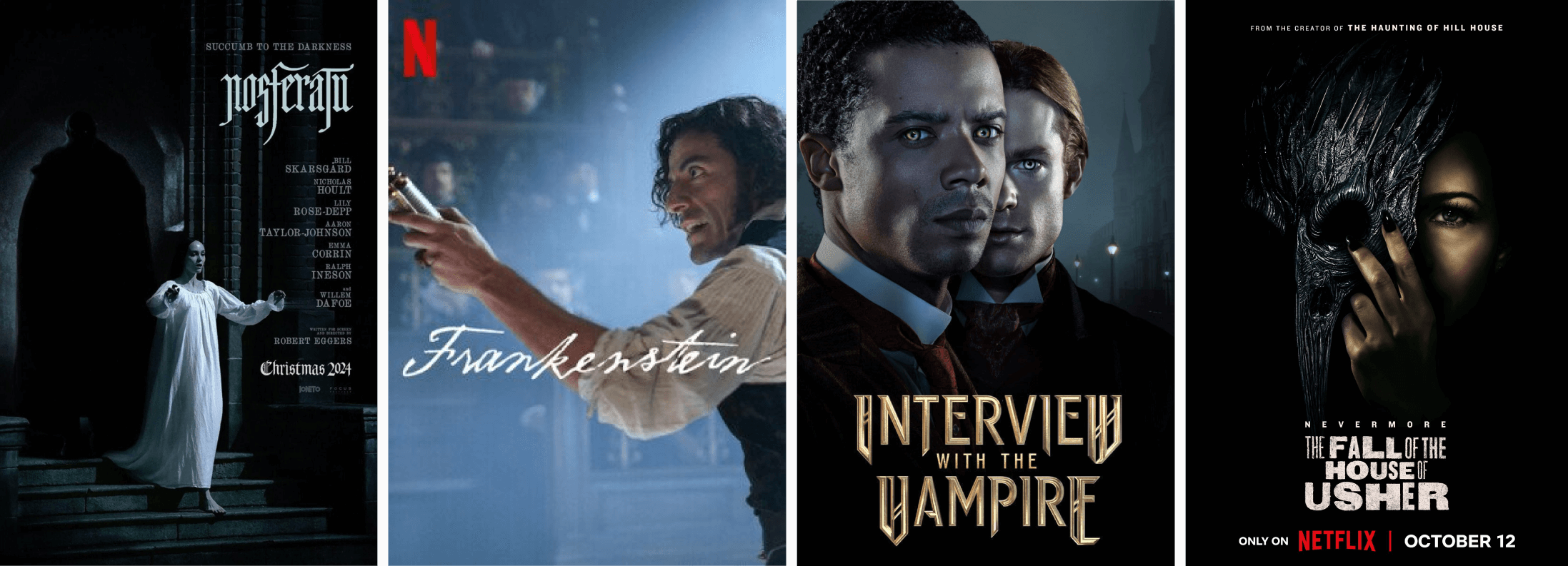
The revival of interest in Gothic themes in today’s media is deeply rooted in classic works that continue to influence contemporary storytelling. Recent examples include remakes of films such as Nosferatu (2024), Frankenstein (coming November 2025), and Wuthering Heights (expected in 2026), as well as series like Interview with the Vampire (2022–present) and The Fall of the House of Usher (2023). These works bring to the screen protagonists and storylines steeped in pain, immortality, and the darker aspects of the human soul—while also delving into themes of monstrosity and identity.
Dark Romance Is Booming
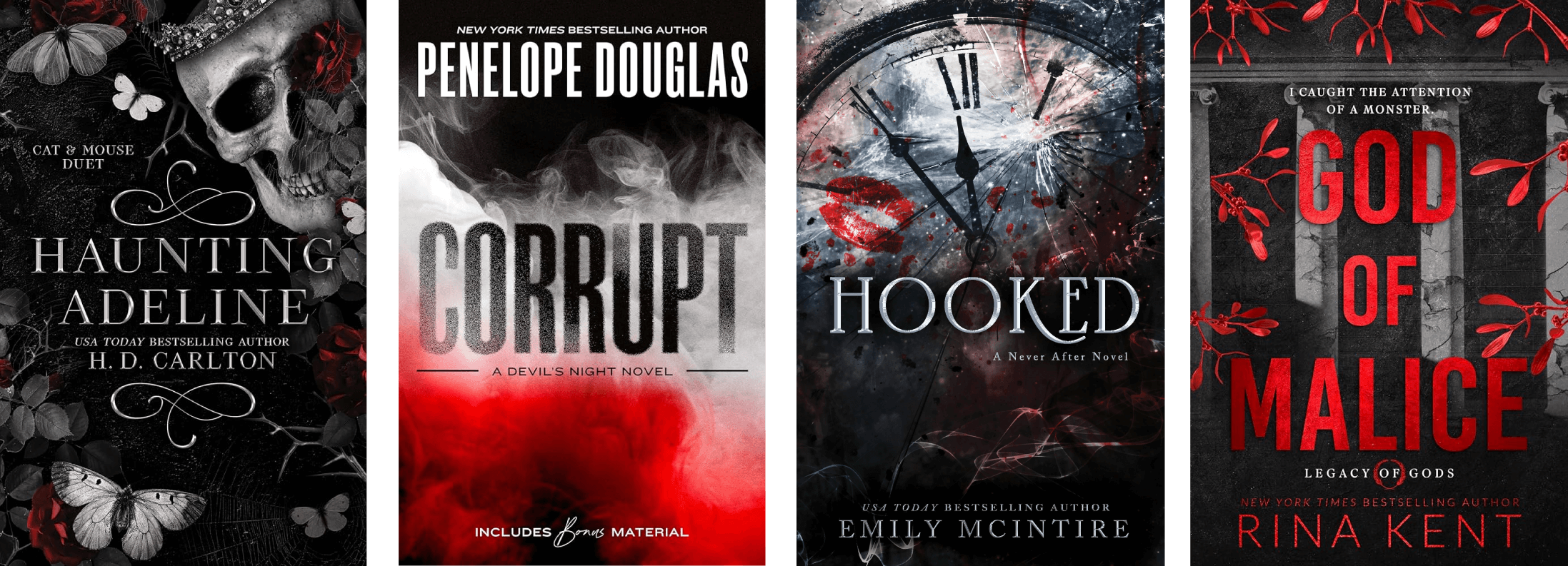
In literature, the popularity of the genre known as dark romance has grown exponentially in recent years. It’s defined by its exploration of trauma, morally grey characters, and, of course, explicit content.
Dark romance has become a favorite on BookTok—the book-loving community on TikTok that now plays a major role in determining what becomes a bestseller in bookstores.
Think Gothic is only making a comeback in its usual niches? Think again. Let me show you how, for those paying attention, this trend is spilling over into everything.
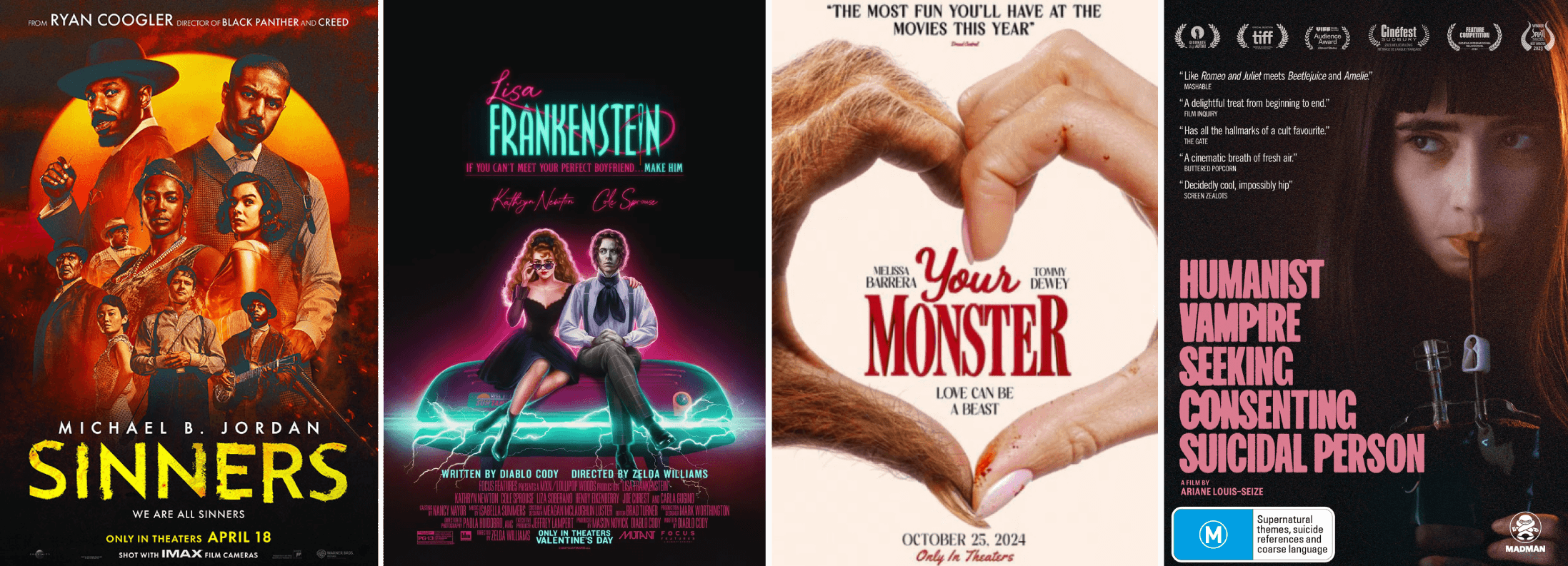
Today’s pop culture doesn’t just repeat the classics, it reshapes them. It influences new expressions and concepts, evolving the Gothic imagination. Blockbusters like Sinners (2025) and Lisa Frankenstein (2022), for example, use tropes from the genre to explore fresh horror narratives that align more closely with social critique and the campy (and slightly frantic) aesthetic of younger generations.
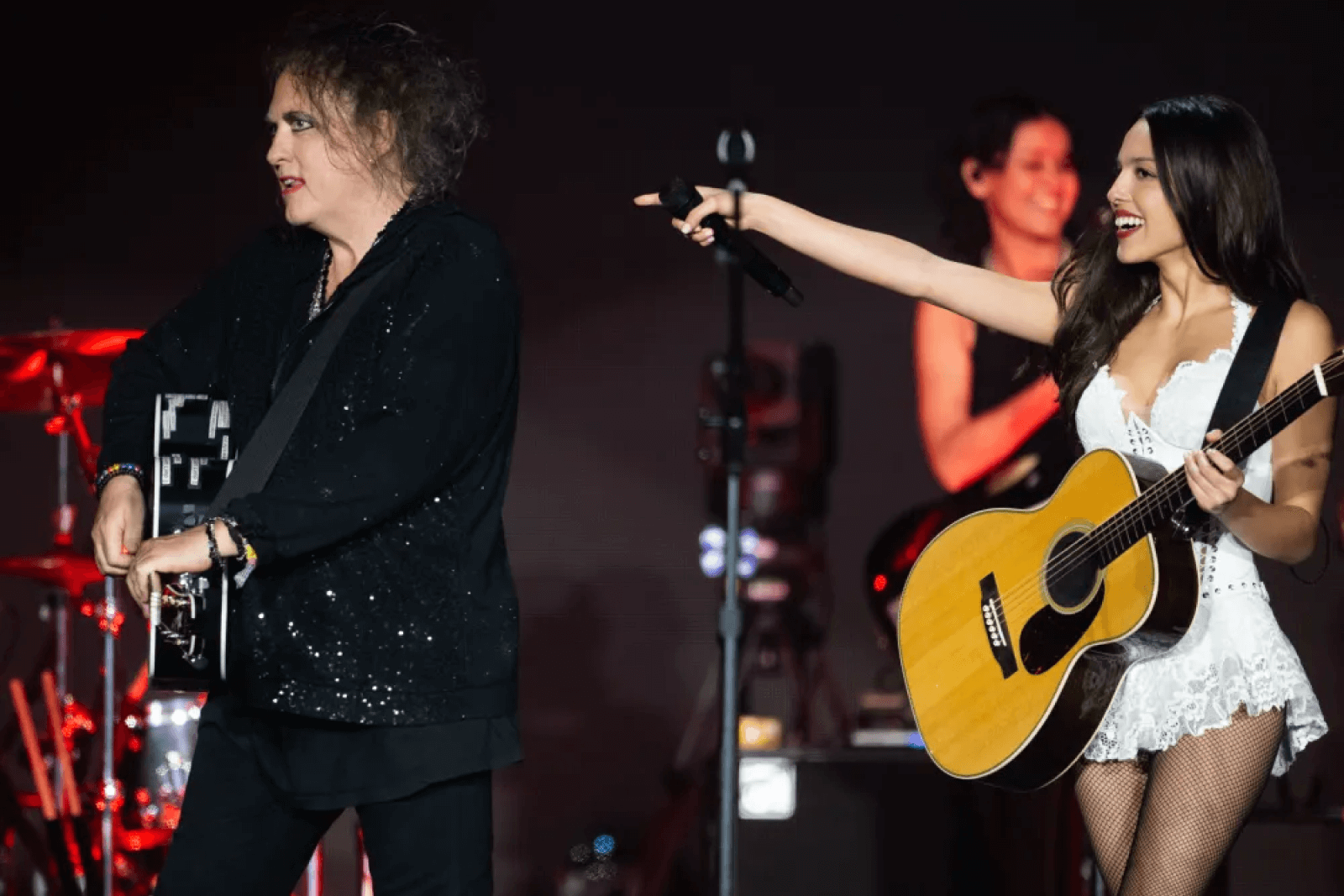
In February, British newspaper The Independent published a piece linking the Gothic revival to Gen Z. If you watched the Glastonbury Festival broadcasts at the end of June, you probably saw Olivia Rodrigo bring Robert Smith from The Cure on stage to sing Friday, I’m in Love.
Could there be a more Gen Z is bringing Gothic back moment than that?
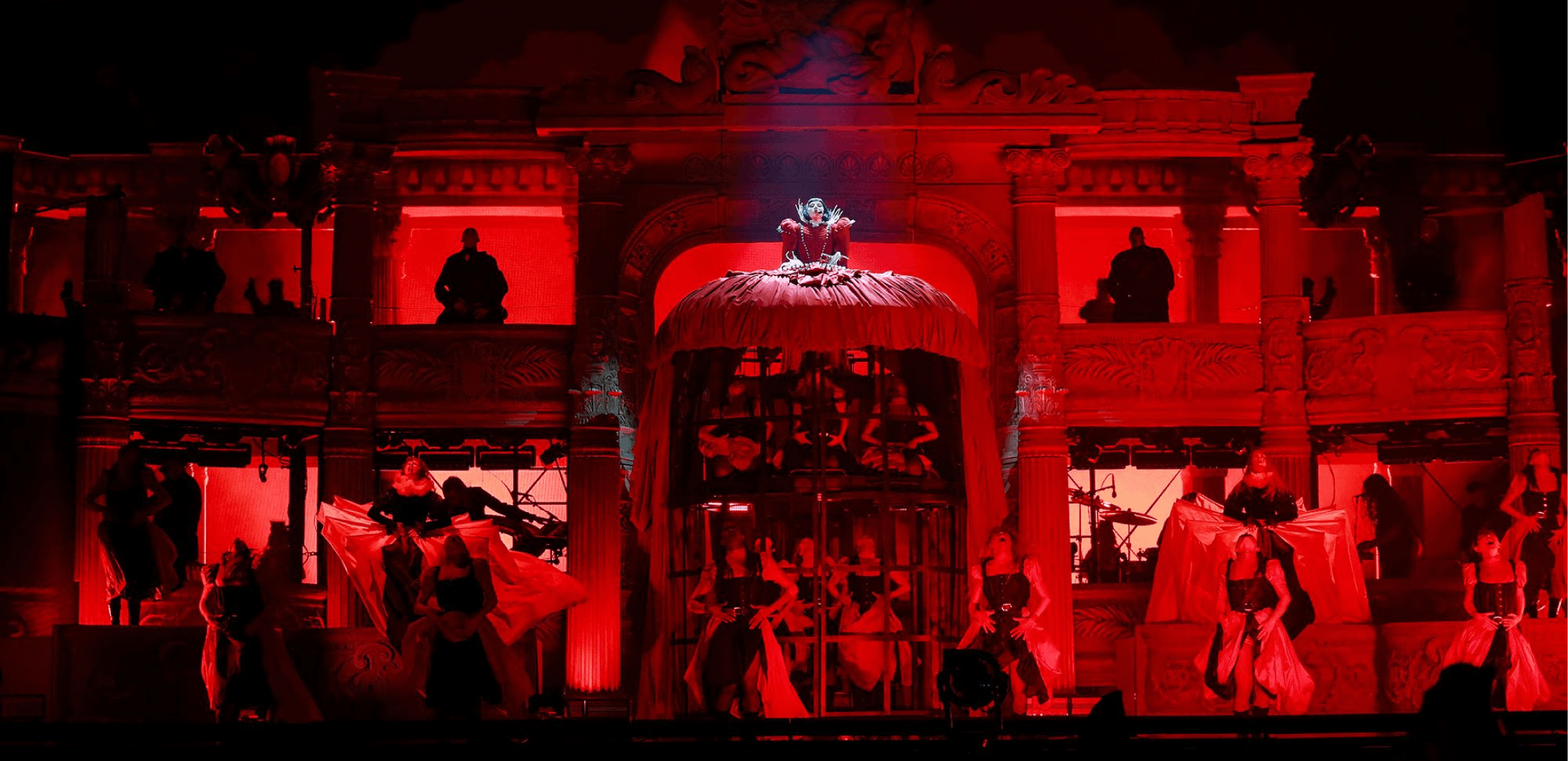
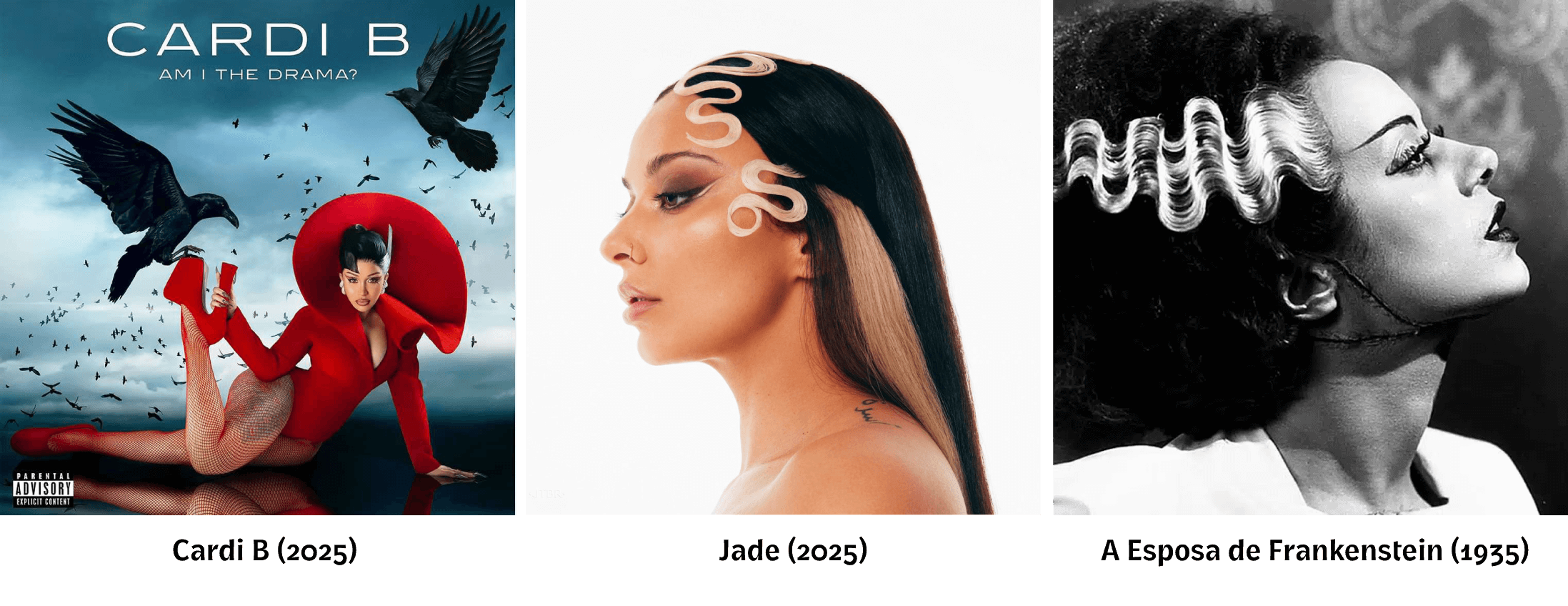
Still in music, you definitely noticed the influences in Lady Gaga’s performance in Copacabana. Her latest album, Mayhem, reimagines Gothic through a sophisticated pop aesthetic, paired with her signature theatrical flair. And Cardi B’s upcoming album? Its cover draws heavily from classic Gothic imagery to illustrate its title: Am I the Drama? (Did you really think I’d bring up Cardi B in this text? Bet you didn’t.)
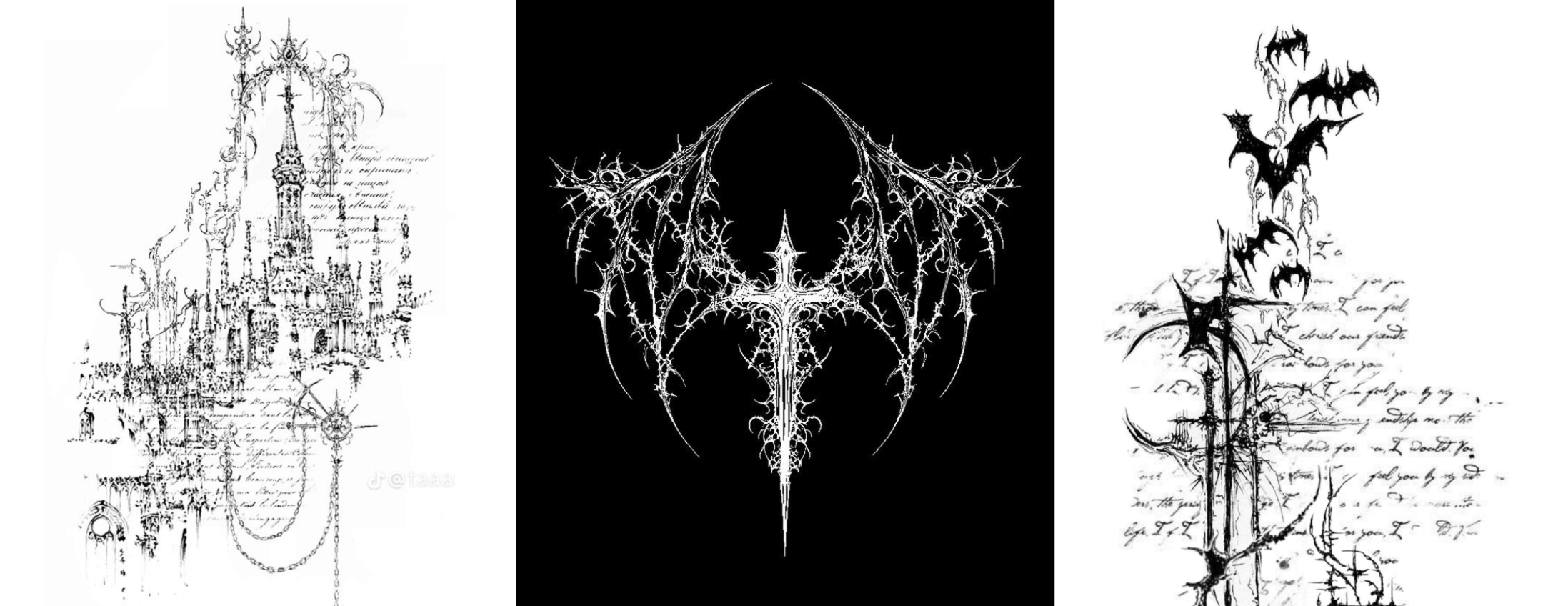
Even in the world of tattoos, Gothic has made an appearance, this time as part of a style called Cyber Sigilism, which blends architectural structures, crosses, angels, and similar elements into intricate designs. Sound a bit too niche? If you’re curious, I recommend checking it out on TikTok, it’s such a Gen Z aesthetic that you’ll hardly find much about it anywhere else.
Music, Film, TV, Tattoos... What About Design?
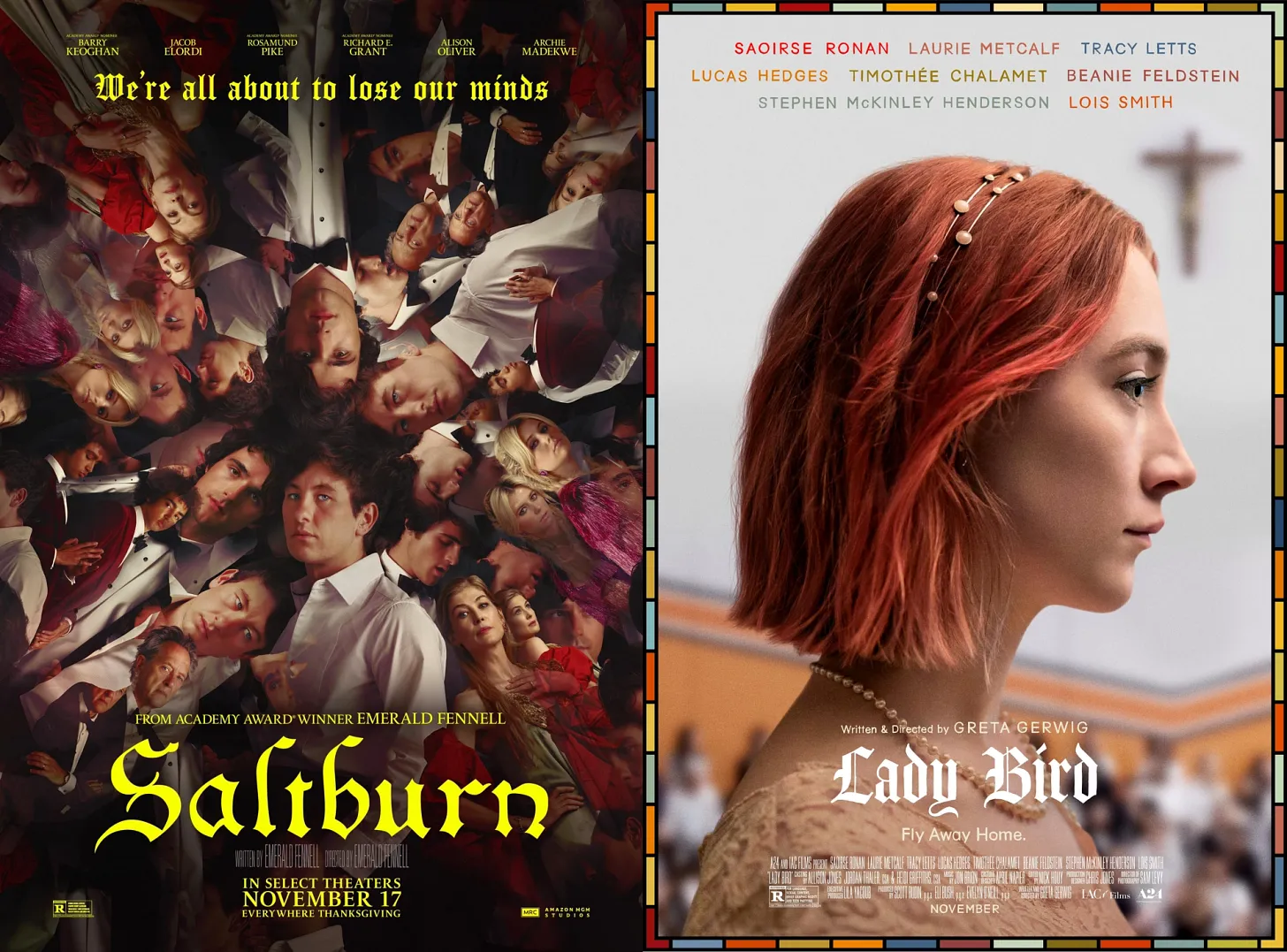
Design is an essential part of all these fields. Designer Cadu Carvalho recently explored the presence of Gothic calligraphy in movie posters in the latest issue of his newsletter Tipo Aquilo, diving into the origins of the script and analyzing the trend. Researcher Elizabeth Goodspeed went even further back in time, dissecting the medieval trend in design in her article for It’s Nice That, a style that also features Gothic typefaces among its many characteristics.
So here’s a tip: keep an eye out for these Gothic elements that are becoming more and more present in our daily lives, whether in music, fashion, or pop culture. And you have you noticed any Gothic details in something you saw or did recently? Have you come across other examples of Gothic media in your everyday life? Tell us, we want to know!